
Physio Cupping Therapy in Ottawa
Physio cupping therapy at Back to Health Wellness Centre uses gentle, targeted suction to lift soft tissues, enhance local circulation, and relieve tension so the body can move more freely and recover more efficiently. Delivered by trained clinicians within a collaborative care team, cupping is integrated with physiotherapy, manual therapy, and exercise to help reduce pain, improve mobility, and support overall wellness.
What Is Cupping Therapy?
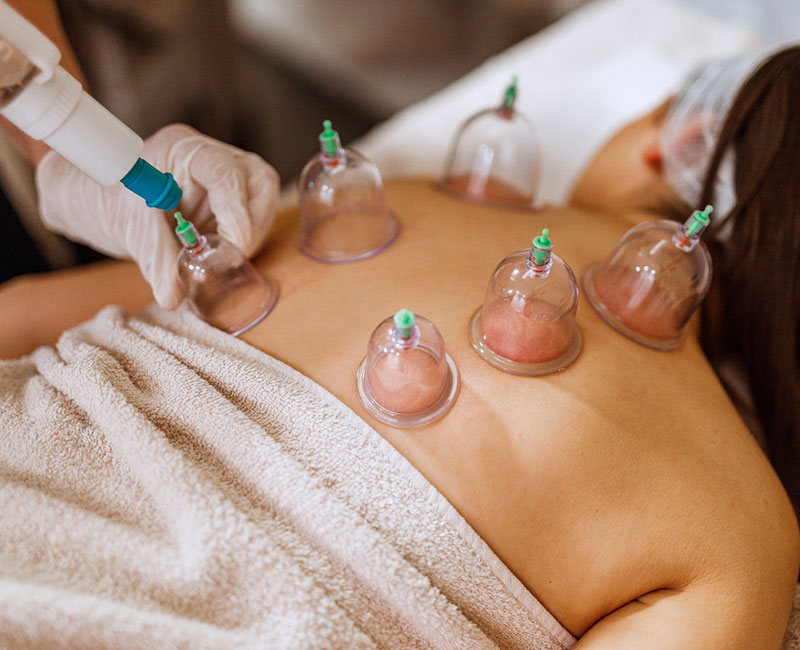
Cupping is a therapeutic technique in which a clinician places silicone, glass, or plastic cups on the skin and creates negative pressure to gently lift the skin and underlying fascia. That decompression draws blood and lymphatic fluid to the area, easing myofascial tightness, hydrating tissues, and stimulating a local healing response. In a physiotherapy setting, cupping is commonly applied to larger muscle groups such as the upper back, lower back, hips, glutes, thighs, calves, and shoulders where persistent tightness and trigger points can restrict movement or contribute to pain.
How Cupping Supports Recovery
The controlled negative pressure of cupping helps release myofascial adhesions and trigger points that limit motion or cause referred pain. By improving microcirculation and fluid exchange, tissues receive more oxygen and nutrients while metabolic by-products are cleared more efficiently. Many people experience a rapid sense of “softening” or lightness in treated areas, followed by easier movement patterns. When paired with individualized exercise and hands-on therapy, cupping can accelerate progress toward strength, flexibility, and functional goals.
Conditions Cupping May Help
Within a physiotherapy plan of care, cupping can complement treatment for common musculoskeletal concerns such as tension-related neck or shoulder pain, thoracic and low back stiffness, hip/gluteal tightness, hamstring and calf overuse, IT band discomfort, and postural strain from desk work or caregiving. It can also be used to support recovery from training loads in runners, lifters, and field-sport athletes. Your clinician will determine when cupping is appropriate and how it fits alongside other modalities to address root causes rather than just symptoms.
What to Expect in a Session
A typical session begins with an assessment of movement, strength, and tissue quality to identify target areas. Your clinician then places cups for stationary holds or guided “gliding” techniques along muscle and fascial lines. You may feel a firm, lifting pressure that should remain comfortable; intensity is adjusted to tolerance. Mild circular discolorations can appear where cups are placed these are not bruises from impact but a transient sign of increased superficial circulation, usually fading over several days. After cupping, most people notice reduced tightness and improved range, which is reinforced with tailored mobility and activation exercises.
Safety and Suitability
Physio cupping therapy is generally well tolerated when provided by trained professionals who screen for contraindications. It is typically avoided over open wounds, active skin infections, fragile skin, varicose veins, areas of acute trauma, or in individuals with certain bleeding disorders. During pregnancy, cups are not applied over the abdomen or lower back. If there are medical conditions or medications that affect skin integrity or clotting, your clinician will modify or defer cupping and select alternative techniques to keep care safe and effective.
Why Choose Back to Health
Back to Health Wellness Centre brings together experienced physiotherapists and complementary practitioners under one roof, ensuring cupping is never a stand-alone service but part of a thoughtful, evidence-informed plan. The team integrates manual therapy, Active Release Techniques, exercise prescription, gait and movement analysis, and patient education to deliver lasting outcomes. This multidisciplinary approach means treatment is personalized, progress is measured, and each session builds toward better function and resilient, pain-free movement.
Getting Started
If cupping therapy sounds like a fit, booking begins with a physiotherapy assessment to understand goals, history, and movement patterns. From there, the clinician will outline a plan that may incorporate cupping alongside manual therapy, targeted exercise, and home strategies to sustain gains between visits. Hydration, gentle mobility, and activity pacing are often recommended after sessions to maximize benefits.
FAQs
Is cupping painful?
>>>>>>>>>> Cupping should feel like firm pressure and decompression, not sharp pain; intensity is always adjusted to comfort, and cups are removed immediately if discomfort arises.
How many sessions are needed?
>>>>>>>>>> Frequency varies by condition and goals; some people feel notable relief after 1–3 sessions, while longer-standing issues benefit from a short treatment series integrated with exercise and self-care.
Will the marks last?
>>>>>>>>>> Circular discolourations typically fade within a few days to a week, and aftercare, like light movement and hydration, can support quicker recovery.
Can cupping replace exercise or manual therapy?
>>>>>>>>>> Cupping is most effective as part of a comprehensive plan; it complements, but does not replace, corrective exercise, education, and other hands-on techniques that drive lasting change.
To explore physio cupping therapy within a personalized treatment plan, contact Back to Health Wellness Centre in Ottawa to book an assessment and learn how integrated care can help achieve specific movement and recovery goals.
